

Why Texas Has Become a Midterm Battleground


Texas is receiving the kind of political attention usually reserved for states where neither party can feel comfortable. With the November election approaching, the Senate contest between Republican Ken Paxton and Democrat James Talarico has become a test of party loyalty, candidate appeal and voters' concerns about their finances.
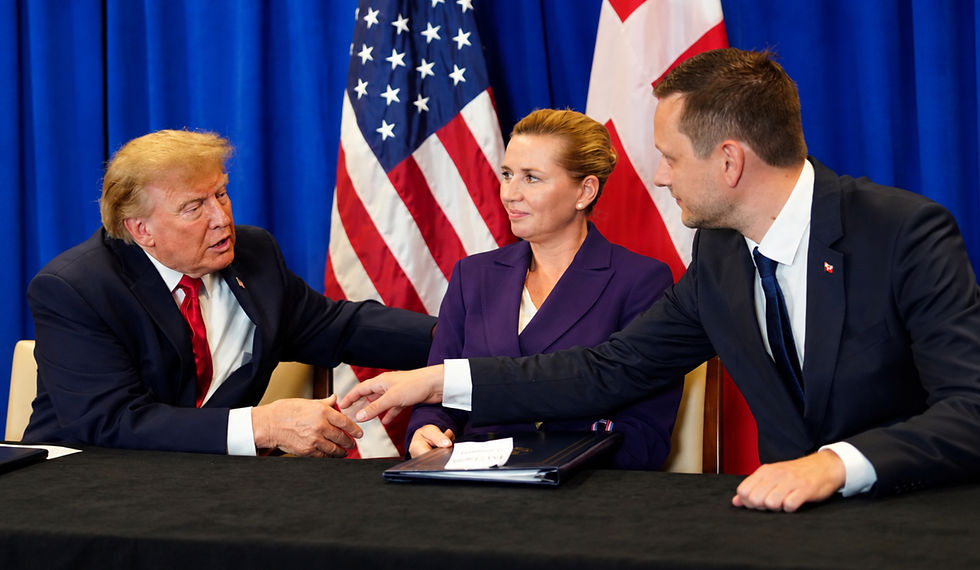
President Donald Trump's planned October 7 appearance in San Antonio underscores the stakes. Reuters reported that the trip would be his third Texas visit in a month, as Republicans work to defend a state he won by 14 percentage points in 2024.
Reuters also cited an October 3 Siena College poll showing Talarico ahead of Paxton, 51 percent to 45 percent among likely voters. That survey describes a moment in the campaign, not a guaranteed result. Turnout, late decisions and polling uncertainty remain central to assessing any competitive election.
The money provides another indication that national Republicans consider the race consequential. The Texas Tribune reported that Republicans spent $122 million on advertising in September to support Paxton and reserved another $66 million in future airtime through Election Day, citing the tracking firm AdImpact.
Heavy spending can increase a campaign's reach, but it cannot guarantee that voters accept its message. Advertising must compete with candidates' records, personal impressions and the issues households encounter outside the campaign. A saturated television market may tell voters that a race matters without settling whom they should trust.
Economic dissatisfaction is part of that contest. Axios reported October 7 that Paxton privately identified the Iran war and high gasoline and diesel prices as problems affecting his campaign. His campaign's response characterized the remarks as recognition of the costs Texans already face.
That exchange points to a broader challenge for candidates aligned with the president. They must persuade voters to support their agenda while answering for conditions associated with the administration. Opposition candidates face a different task: turning dissatisfaction into confidence that they offer a credible alternative.
It would nevertheless be premature to describe one competitive contest as proof of a permanent statewide transformation. Voters can support different parties for different offices. A Senate candidate's strengths or weaknesses may produce an outcome that does not transfer to other races.
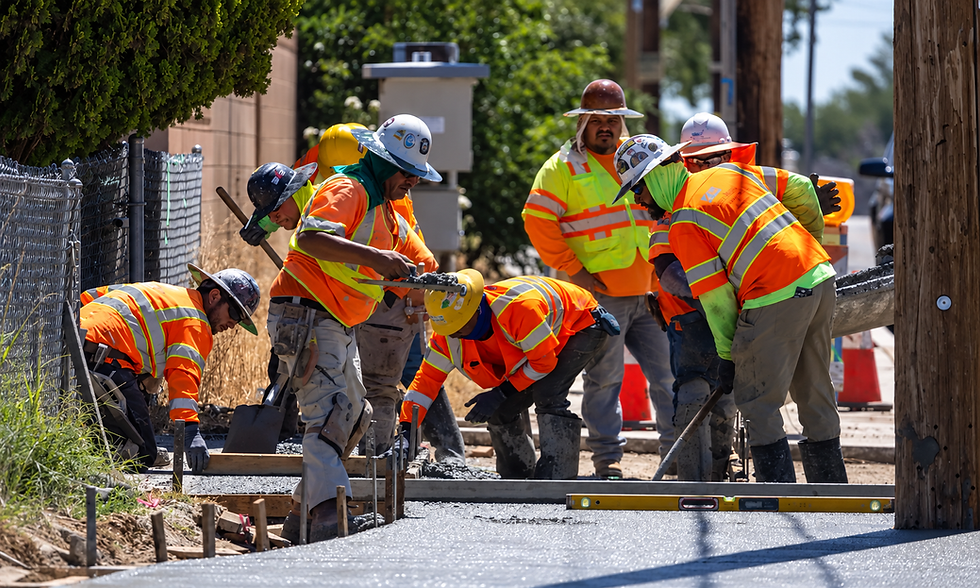
South Texas also warrants attention. The debate over legal pathways for construction workers illustrates how economic concerns can complicate immigration politics there. But Hispanic voters are not a single bloc, and a region's political direction cannot responsibly be reduced to one issue or one demographic label.
The final weeks will put greater emphasis on participation. Texas early voting runs October 19 through October 30, ahead of Election Day on November 3. Registered voters can cast an early ballot at an early voting location in their county, according to the state's election website.
Campaigns will need to translate rallies, fundraising and advertising into actual votes. Persuasion matters, but so does reaching supporters who might otherwise stay home.
Texas has become a battleground because the current evidence makes the outcome worth contesting. Whether that represents a lasting political shift or a result specific to this election will become clearer only after voters deliver their verdict.

Comments