

When Immigration Enforcement Becomes an Economic Story

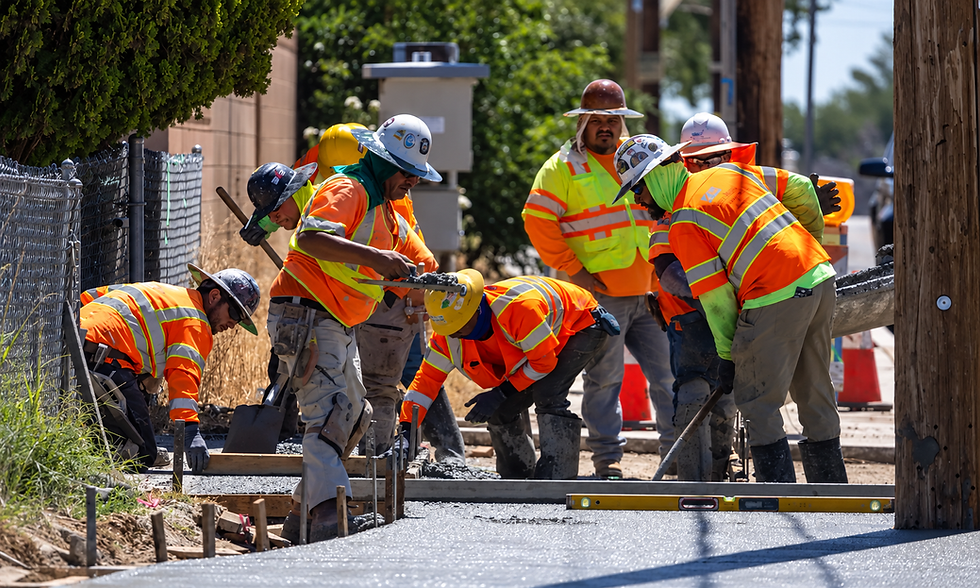
In South Texas, immigration enforcement is also a story about whether a construction crew arrives, a farm has enough workers and a local business can keep its schedule. The debate increasingly connects border policy with the daily mechanics of the regional economy.
An October 7 Washington Post report described labor pressures in the Rio Grande Valley amid increased immigration arrests. Its analysis found construction payrolls in the Brownsville-Harlingen area down 5 percent from a year earlier and agricultural employment across four counties down 13 percent in the year to March. The report also noted that the agricultural decline began before the current crackdown.
Those figures do not establish that enforcement caused every lost job. They do, however, illustrate the economic concerns employers are raising as they describe disrupted staffing and uncertainty about workers' availability.
The concerns have reached Republican lawmakers. In January, U.S. Rep. Monica De La Cruz of Edinburg said she would explore a legal pathway for migrant construction workers after hearing from South Texas builders. The Texas Tribune reported that she suggested a special visa program comparable in purpose to the agricultural H-2A system.
Her proposal highlighted a practical tension. Strict enforcement is intended to uphold immigration rules, while industries seeking additional labor want a workable system for employing foreign workers legally. A discussion about visas does not settle that tension, but it offers a policy question more specific than competing slogans.
Construction depends on coordination. If one trade falls behind, another crew may be unable to complete its work. A staffing interruption can therefore affect financing, delivery schedules and the date a buyer moves into a home, even when other workers and materials are available.
Agriculture operates under a different set of pressures, including seasonal deadlines. The significance of a labor shortage depends on the crop, available machinery and the timing of the work. Treating every business as interchangeable would obscure those differences.
The economic effects can also move beyond the employer. A delayed project may postpone payments to suppliers or subcontractors. Workers receiving fewer hours may spend less at nearby stores. These are plausible consequences of staffing disruptions, although the size of any local effect requires evidence rather than assumption.
Supporters of tougher enforcement argue that employers should comply with the law and invest in recruiting authorized workers. Businesses reporting shortages face the corresponding challenge of showing what recruitment efforts they have made, what wages they offer and why positions remain unfilled.
Legal work programs would raise their own questions. Policymakers would need to consider eligibility, oversight, labor protections and whether participating workers could change employers. Employers' demand for labor cannot be the only measure of a system's success; conditions for workers matter as well.
The useful policy debate is therefore about how enforcement and a lawful labor supply can function together. It requires reliable workforce data, realistic timelines and attention to both business needs and employees' rights.
For South Texas communities, the stakes are immediate. Immigration policy is being experienced through job sites, harvests and household paychecks, making its economic consequences part of the region's discussion about what comes next.



Comments