

Why Men Account for Nearly 80 Percent of U.S. Suicide Deaths

For decades, one of the most persistent and troubling disparities in American public health has received comparatively little attention: men are dramatically more likely than women to die by suicide.

According to the Centers for Disease Control and Prevention, the age-adjusted suicide rate for American men was 22.7 deaths per 100,000 in 2023, compared with 5.9 for women. Men accounted for nearly four out of every five suicide deaths in the United States.
The disparity does not necessarily mean that men are four times more likely to experience suicidal thoughts. Research suggests the explanation involves a complicated combination of the methods used, willingness to seek help, substance abuse, social isolation and the way some men respond to financial, legal and relationship crises.
One of the clearest differences is the method.
Firearms were used in approximately 61 percent of male suicide deaths in 2023. Because firearm suicide attempts are exceptionally lethal and provide relatively little opportunity for intervention or emergency treatment, the choice of method has an enormous effect on mortality.
Women, meanwhile, have historically reported more nonfatal suicide attempts and are more likely than men to use methods such as poisoning or drug overdose. Those attempts can certainly be fatal, but they generally have higher survival rates than attempts involving firearms.
This phenomenon has sometimes been called the "gender paradox" of suicide: women may report more attempts, while men are considerably more likely to die.
But firearms alone do not explain the difference.
Researchers have also examined the reluctance of some men to seek psychological help. Traditional expectations surrounding masculinity — independence, toughness and emotional control — can discourage some men from acknowledging depression, anxiety or feelings of hopelessness.
A man experiencing a divorce, job loss, mounting debt or another personal crisis may therefore never enter the mental-health system.
CDC research examining male suicide deaths has found that many of the men who died had no known mental-health condition. Relationship problems, arguments, financial difficulties, substance use and other immediate crises were frequently present.
That distinction is important because suicide is not always the culmination of a long, documented psychiatric illness. In some cases, an acute crisis can become deadly remarkably quickly.
The disparity becomes particularly striking later in life.
In 2023, American men 75 and older had a suicide rate of approximately 40.7 deaths per 100,000 — more than seven times the rate among women of the same age. Retirement, declining social networks, the death of a spouse, physical limitations and loss of independence can create significant challenges for older adults.
The numbers also matter in Texas.
Suicide remains a significant cause of preventable death in the state, particularly among men, making the issue relevant far beyond America's largest metropolitan areas. Communities such as Huntsville are not isolated from the national trends affecting middle-aged and older men, veterans, workers and families.
The larger lesson from the statistics may be that suicide prevention cannot focus exclusively on people who have already been diagnosed with depression.
It also requires recognizing moments of crisis.
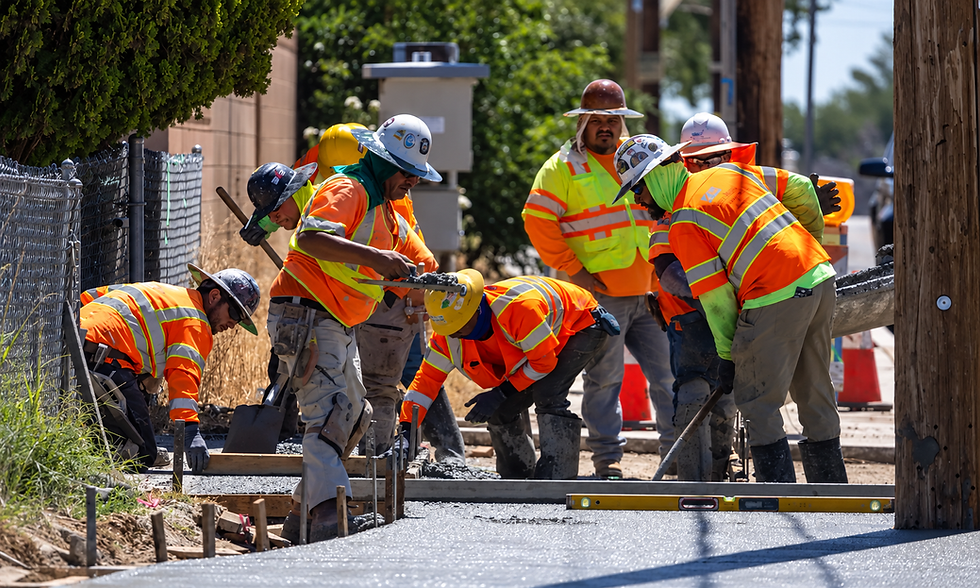
A recently divorced father, an older widower living alone, a worker suddenly facing unemployment or a person struggling with alcohol may not describe himself as mentally ill. He may nevertheless be entering a dangerous period in which access to a highly lethal method can turn an impulsive decision into an irreversible one.
America's enormous gender gap in suicide deaths therefore represents more than a mental-health problem. It is also a problem involving isolation, relationships, substance use, economic stress, cultural expectations and access to lethal means.
Understanding those factors may be essential to reaching men who otherwise might never ask for help.
If you or someone you know is experiencing a suicidal crisis in the United States, call or text 988 to reach the Suicide & Crisis Lifeline.

Comments