

Everyone Is Coming to Texas. Can Texas Handle It?

AUSTIN — Texas has spent years selling itself as the place where Americans can find jobs, build businesses and pursue a more affordable life. The latest employment numbers suggest the message is still working.
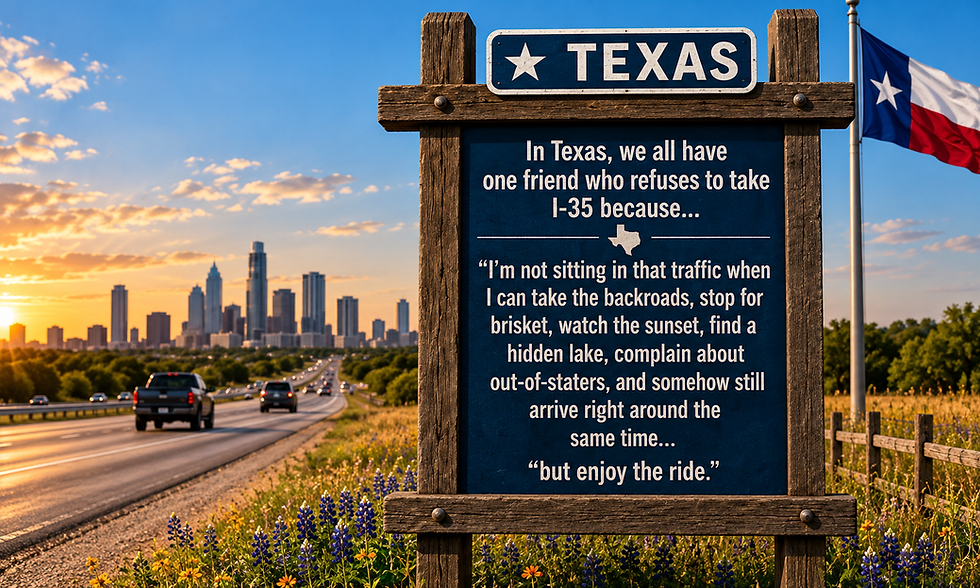
But the state's remarkable economic expansion is creating another question: Can Texas build fast enough to accommodate its own success?
New labor-market data released Friday shows Texas added 159,400 nonfarm jobs between August 2025 and August 2026, more than any other state. Texas employment reached approximately 14.47 million jobs in August, while the state's annual job-growth rate of 1.1 percent exceeded the national rate by 0.7 percentage points.
The state's unemployment rate stood at 4.4 percent.
Among the fastest-growing Texas industries over the past year were professional and business services, leisure and hospitality, and construction.
For Gov. Greg Abbott, the numbers provide further evidence that the state's business-friendly economic strategy is working. Texas has gained more than 2.6 million jobs since Abbott took office in January 2015.
But jobs are only part of the equation.
Economic growth requires workers, and workers require houses, apartments, roads, schools, hospitals, electricity and water. Every new corporate headquarters, manufacturing plant, warehouse, data center or subdivision creates additional pressure somewhere else.
That tension can already be seen across Texas.
Houston and Dallas-Fort Worth continue expanding outward. Austin's technology boom transformed both its economy and housing market. Smaller communities located along major highways are increasingly becoming extensions of larger metropolitan areas.
Even communities such as Huntsville are feeling the effects of a Texas population and economy that increasingly stretch beyond traditional urban boundaries.
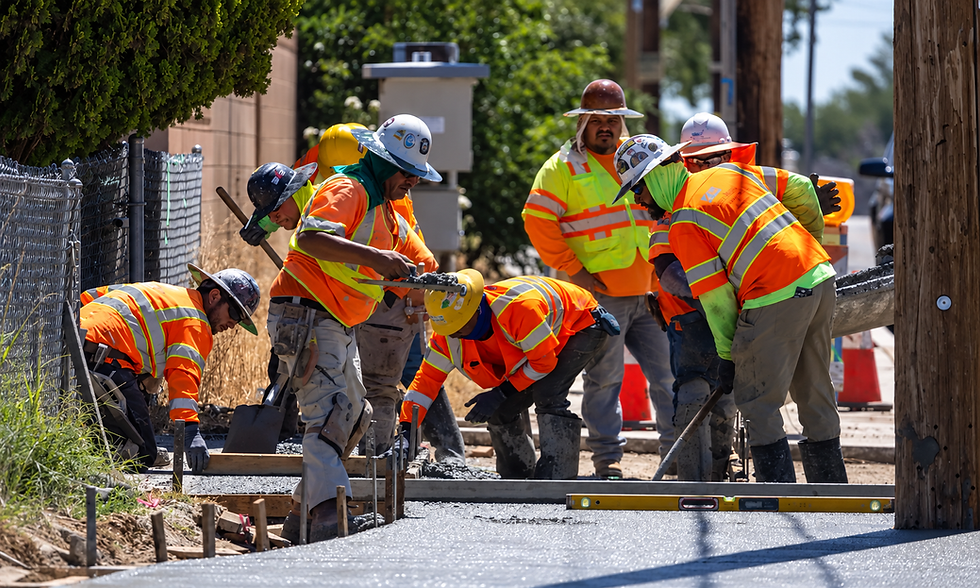
The construction industry itself is among the state's fastest-growing sectors—an indication of just how much Texas continues to build.
Infrastructure may ultimately become the bigger challenge.
Texas must generate enough electricity for millions of residents while simultaneously accommodating energy-intensive industries. Highways designed for smaller populations must carry more commuters and commercial traffic. Water systems must serve sprawling developments, while local governments face demands for additional police officers, firefighters and public services.
Then there is housing.
The Texas economic model has historically benefited from comparatively abundant land and an ability to build. But continued population and employment growth can challenge affordability if housing and infrastructure fail to keep pace.
That makes Texas' growth story increasingly complicated.
Adding 159,400 jobs in a year is an impressive economic achievement. But the real measure of success will be whether those workers can afford to live near those jobs—and whether communities can absorb continued expansion without sacrificing the advantages that attracted people in the first place.
Texas has successfully answered one question: Can it attract businesses and workers?
Clearly, it can.
The question facing the state during the next decade is considerably more difficult.
What happens when everyone shows up?


Comments