

The Prison Capital of Texas Is Changing

HUNTSVILLE, Texas — For generations, Huntsville has carried an identity unlike almost any other city in America. Home to the headquarters of the Texas prison system and several correctional facilities, the city has long been known nationally as the “Prison Capital of Texas.”
But Huntsville is changing.

The Texas Department of Criminal Justice remains one of the area's defining institutions and employers. The historic Huntsville Unit, commonly known as the “Walls Unit,” sits only blocks from downtown, while other state correctional facilities surround the community. The Texas Prison Museum has also turned that history into a tourism attraction.
Increasingly, however, prisons represent only one part of Huntsville's story.
One of the biggest forces reshaping the city is Sam Houston State University. What began as a teachers college in 1879 has developed into a major public university attracting students, faculty and investment from across Texas and beyond. The university's continued growth has helped fuel demand for apartments, restaurants, retail businesses and entertainment.
At the same time, residential development is spreading across Huntsville and surrounding Walker County. New subdivisions and apartment projects reflect the city's appeal to people looking for relatively affordable housing while remaining within reach of the rapidly expanding Houston metropolitan region.
That growth is gradually changing Huntsville's economy.
Healthcare, education, construction, retail and service businesses have become increasingly important. Interstate 45 provides another advantage, placing Huntsville along the major transportation corridor connecting Houston and Dallas. Continued population growth along that corridor could make the city increasingly attractive to developers and employers.
The transformation also presents challenges. More residents mean increased pressure on roads, utilities, schools and public services. Rapid development can also create tension between preserving Huntsville's small-town character and accommodating the growth necessary to expand its tax base.
The prison system isn't disappearing from Huntsville's identity. Its history is deeply connected to the city, and thousands of families have ties to the correctional system.
What appears to be changing is Huntsville's dependence on that identity.
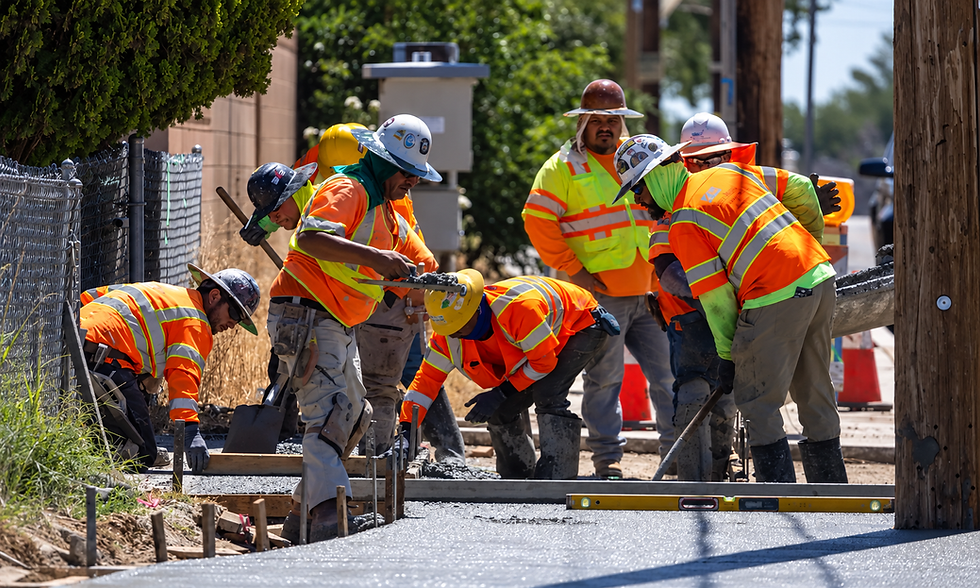
Visitors driving through town increasingly encounter a community defined not simply by prison walls, but by university expansion, new neighborhoods, restaurants, construction and commercial development.
For more than a century, Huntsville has been known as the home of Texas prisons. The question facing the city now is what else it wants to become.
And the answer may determine Huntsville's future for decades to come.


Comments