

Huntsville Is Growing: A Texas City Entering a New Era

HUNTSVILLE, Texas — For generations, Huntsville has been known primarily for three things: Sam Houston, the Texas prison system and Sam Houston State University. But in 2026, the Walker County seat is increasingly becoming something else—a growing regional city attempting to manage the opportunities and pressures that accompany expansion.

Perhaps the clearest indication of that change is occurring at Sam Houston State University.
SHSU reported an unofficial record enrollment of 21,956 students for fall 2026, approaching the 22,000-student mark. Even more significant for Huntsville's future, the university welcomed its largest first-time freshman class in history. First-day enrollment included 3,567 freshmen, an 8.7 percent increase from fall 2025.
Those students don't exist inside an economic bubble.
They need apartments, restaurants, grocery stores, entertainment, medical care and transportation. They also create jobs and attract private investment. As the university grows, its economic footprint increasingly extends beyond campus and into Huntsville itself.
The university is also expanding its role in East Texas. SHSU's College of Osteopathic Medicine recently received $1.4 million to establish a mobile women's preventive-health unit serving rural and underserved communities.
Even Bearkat football is entering another chapter. The team is returning to Elliott T. Bowers Stadium following upgrades, while second-year head coach Phil Longo enters the 2026 season with considerably more roster stability than he inherited a year ago.
Growth Brings a Price
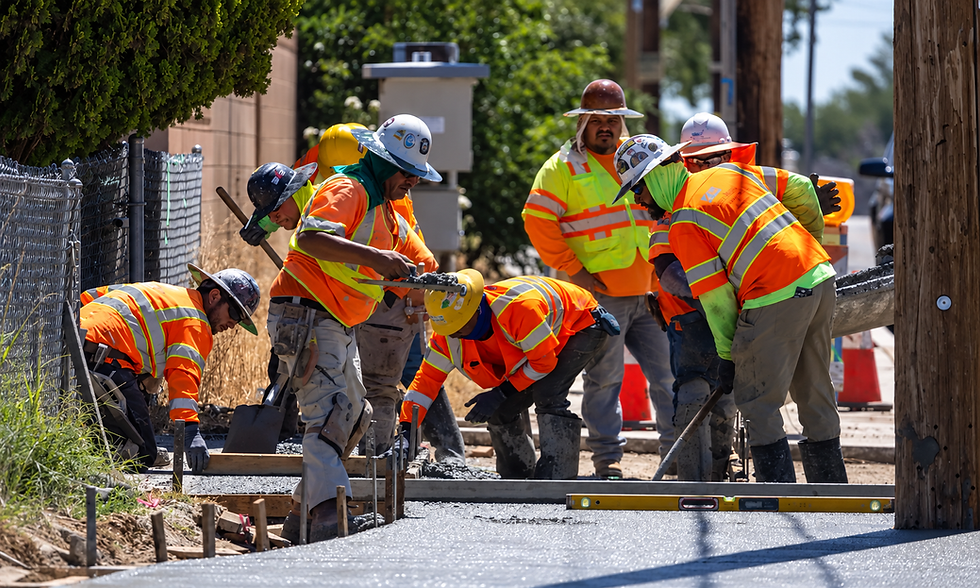
Huntsville's expansion also means local government must confront the less glamorous consequences of growth: roads, utilities, public safety, housing and infrastructure.
The city's budgeting process increasingly connects capital improvements with its long-term comprehensive plan, which is intended to guide development throughout Huntsville and its surrounding planning jurisdiction.
Walker County is experiencing similar financial pressure. Its proposed 2026-27 budget was projected to generate $1.85 million more in property-tax revenue than the previous year's budget, a 5.6 percent increase. About $807,640 of that increase was expected to come from new property added to the tax rolls—another indication of continued development.
Infrastructure development is reaching beyond city streets. A recent Walker County proceeding involved Grand Prix Pipeline seeking property rights for construction of a new natural-gas-liquids pipeline, illustrating how larger Texas energy projects continue to intersect with the county's rural landscape.
For Huntsville, the challenge is increasingly one of identity.
The city remains unmistakably connected to its history. The Sam Houston legacy, Texas
Department of Criminal Justice and university continue to define the community.
But nearly 22,000 university students, new development, expanding healthcare programs, infrastructure investment and population growth are gradually changing Huntsville's economic character.
The question is no longer whether Huntsville will grow.
It is what kind of city Huntsville intends to become as that growth accelerates.


Comments