

The End of the Mob Boss: Joey Merlino's Long Road from Underworld Kingpin to Podcast Personality
- James Lawson

- Jun 3
- 4 min read
Updated: Jun 12
The strange thing about Joey Merlino's life is not that he survived. It's that he kept finding new acts.
For decades, Joseph "Skinny Joey" Merlino occupied a role that seemed destined for a violent conclusion. He was a central figure in Philadelphia's last great Mafia war, a man whose name appeared in FBI affidavits, courtroom transcripts, and newspaper headlines with such frequency that he became inseparable from the mythology of organized crime in the city.

By James Lawson
Reporting from Austin, Texas, USA
June 3, 2026 Updated 7:10 p.m. ET
Yet today, if you encounter Merlino, you are more likely to find him discussing point spreads than protection rackets.
The former mob boss now hosts a podcast, wherein he gives gambling picks. He appears on YouTube shows and he promotes restaurants.
And, increasingly, he appears to be engaged in the same project that confronts aging athletes, retired politicians, and former celebrities alike: trying to remain relevant after the thing that made them famous no longer exists.
Merlino was born on March 13, 1962, into a Philadelphia where organized crime was not an abstraction but a fact of life. His father, Salvatore "Chuckie" Merlino, was a longtime member of the Philadelphia crime family and an associate of Nicodemo "Little Nicky" Scarfo. The path before him was unusually clear. Unlike many gangsters who drifted into the life through circumstance, Merlino inherited it.

By the time he reached adulthood, Philadelphia's Mafia was entering one of its most turbulent periods. Federal prosecutions had weakened the old guard, creating opportunities for younger men eager to seize power. During the early nineteen-nineties, Merlino emerged as the leader of a faction challenging Philadelphia boss John Stanfa. The resulting conflict produced shootings, murder plots, informants, and years of law-enforcement scrutiny.
When the war ended, Merlino was still standing.
That became a theme.
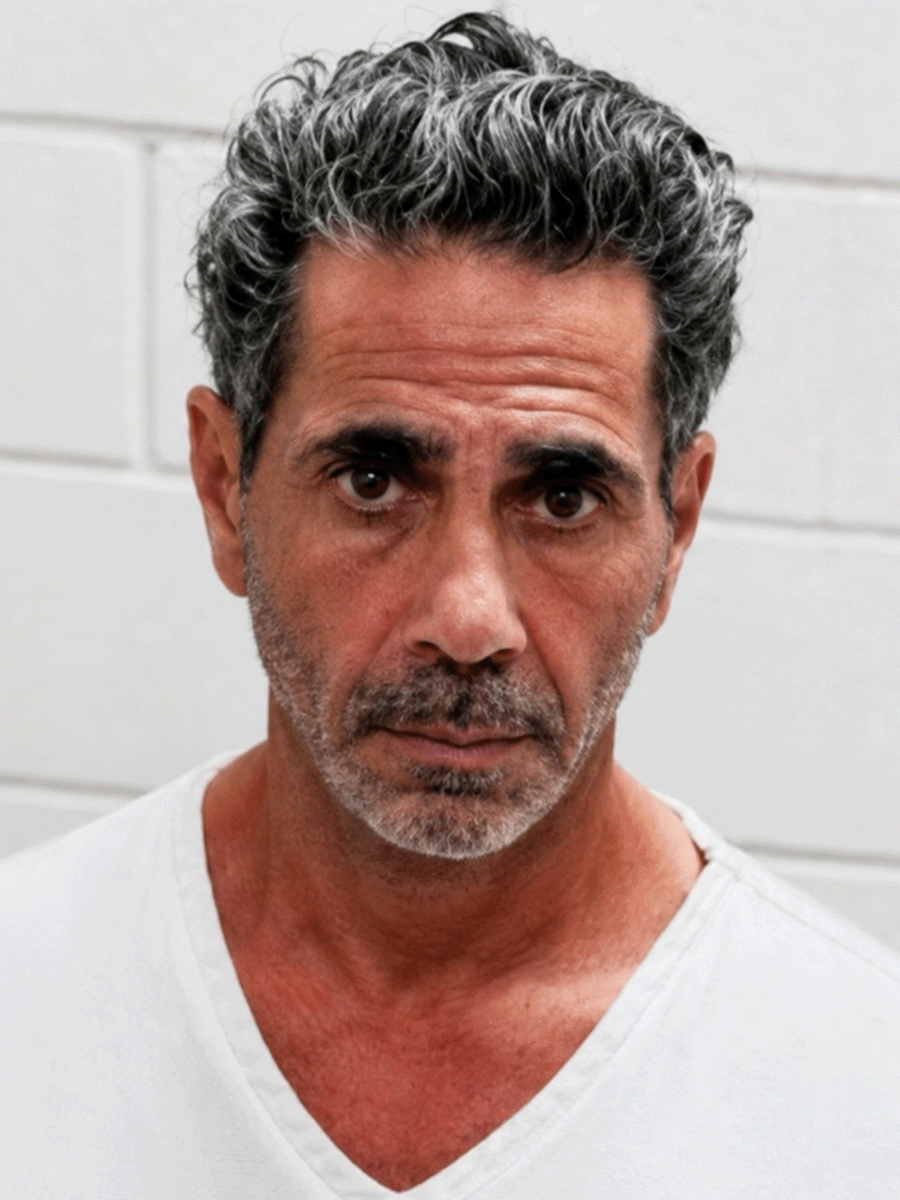
His first major federal prison term came between 1990 and 1992 following convictions connected to an armored-car theft conspiracy. A far more significant sentence followed in 1999, when federal prosecutors convicted him of racketeering, extortion, and illegal gambling offenses. He received a fourteen-year sentence and served nearly twelve years before entering a halfway house and eventually supervised release.
Many assumed prison would end his influence. Instead, it transformed it.
The Joey Merlino who emerged from prison was no longer commanding crews on street corners. He was cultivating an audience.
His podcast, The Skinny with Joey Merlino, occupies an unusual niche in the modern media landscape. Part organized-crime nostalgia, part sports-betting show, part personal grievance forum, it offers listeners access to a man who spent decades at the center of one of America's most notorious criminal organizations.
Certain themes appear repeatedly.
One is his disdain for government cooperators. Merlino often launches into lengthy monologues criticizing informants and cooperating witnesses, whom he portrays as the true architects of organized crime's decline. Another is sports gambling. Nearly every week, listeners receive a fresh collection of betting advice and predictions.
Whether they should follow that advice is another matter.

Even among loyal listeners, Merlino's gambling picks have become a source of amusement. His confidence frequently exceeds his accuracy.
Then there was his recent appearance on Patrick Bet-David's widely viewed podcast. Asked about the Philadelphia Mafia, Merlino offered a response that was simultaneously predictable and revealing.
"What mob? There is no mob."
The answer landed awkwardly.
Perhaps it was intended as legal caution. Perhaps it reflected a code he still refuses to abandon. Whatever the reason, the response felt oddly disconnected from reality. Decades of prosecutions, informant testimony, surveillance recordings, and courtroom evidence have established the existence of the Philadelphia crime family beyond serious dispute. Watching Merlino deny it in 2026 felt less defiant than performative—as though he were still acting out a role whose audience had long since changed.
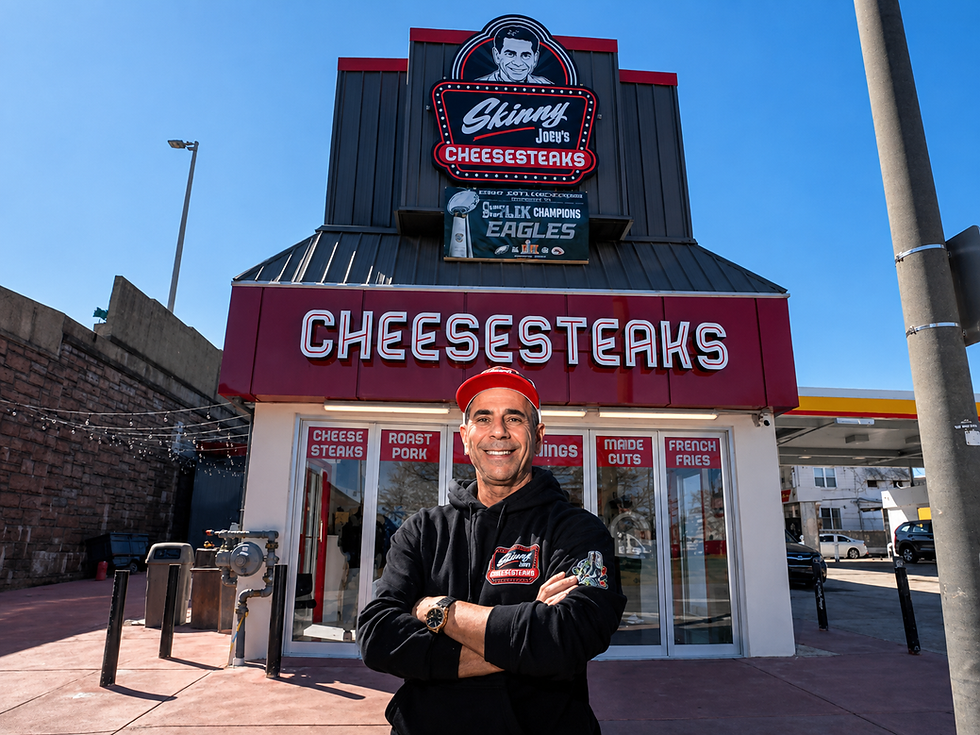
Meanwhile, his life has become increasingly entrepreneurial. In addition to podcasting, Merlino has promoted various business ventures, including a recently opened Philadelphia cheesesteak shop. The former mob boss has become, in effect, a brand.
There is something undeniably American about the transformation.
The man who once occupied a world of whispered conversations, cash-filled envelopes, and criminal conspiracies now spends his days seeking views, downloads, and customers.
Rumors occasionally circulate among organized-crime observers that Merlino's finances may not be what outsiders imagine. Whether those rumors are true is almost beside the point. What makes them compelling is the contrast they suggest. Here was a man who spent decades surrounded by stories of enormous wealth—millions allegedly flowing through gambling operations, extortion schemes, and underworld businesses.
Now he sells sandwiches, records podcasts, and debates football games. Perhaps that is the final irony of organized crime in America. The government didn't merely prosecute the mob. It outlived it.

And so, Joey Merlino, once one of the most recognizable mob bosses in the country, finds himself confronting a challenge familiar to countless men entering their later years: what to do after the life you built has disappeared.
He survived the gang wars.
He survived prison.
He survived the F.B.I.
What remains is the long, uncertain business of surviving relevance.


Comments