

Luigi Mangione Case: Alleged Motive, Court Proceedings, and Defense Strategy
- David Johnston

- Jul 5
- 3 min read
The criminal case against Luigi Mangione, the man accused of killing UnitedHealthcare CEO Brian Thompson in New York City, has become one of the most closely watched criminal prosecutions in the United States. The case sits at the intersection of violent crime, public frustration with the healthcare industry, and complex legal questions surrounding mental state and criminal responsibility.

By David Johnston
Reporting from Huntsville, Texas, USA
July 5, 2026 Updated 6:43 p.m. ET
The Alleged Motivation
According to prosecutors, Mangione deliberately targeted Thompson because of his anger toward the American health insurance system. Investigators allege that writings recovered after his arrest described hostility toward the healthcare industry and reflected a belief that health insurance companies were responsible for widespread suffering. Authorities contend that Thompson was selected because he represented one of the largest health insurance companies in the country.
Prosecutors have pointed to a notebook allegedly recovered from Mangione that they say contained evidence of planning and ideological motivations. Court filings and public statements indicate that investigators view the shooting as a political act intended to draw attention to grievances against the for-profit healthcare system. Authorities have also cited inscriptions allegedly found on ammunition recovered during the investigation as evidence supporting that theory.
Mangione has pleaded not guilty, and his attorneys have not conceded the prosecution's characterization of his motives. As with all criminal cases, prosecutors bear the burden of proving their theory beyond a reasonable doubt.
How the Case Is Proceeding
The prosecution has been divided between state and federal courts.

In New York state court, Mangione faces murder and related weapons charges arising from the December 2024 shooting. Jury selection is currently scheduled to begin on September 8, 2026. State prosecutors allege that Mangione intentionally shot Thompson outside a Midtown Manhattan hotel where UnitedHealth executives were attending an investor conference.
The federal case has taken a different path. Earlier federal murder and weapons charges were dismissed by a judge on legal grounds, eliminating the possibility of a federal death penalty. However, federal prosecutors continue to pursue interstate stalking-related charges that could still result in a life sentence if Mangione is convicted. His federal trial has been postponed until January 2027 to avoid interfering with the state murder proceedings.
Mangione remains in custody and has pleaded not guilty in both jurisdictions.
What Appears to Be the Defense Strategy
The most significant legal question surrounding the defense has involved Mangione's mental state at the time of the shooting.
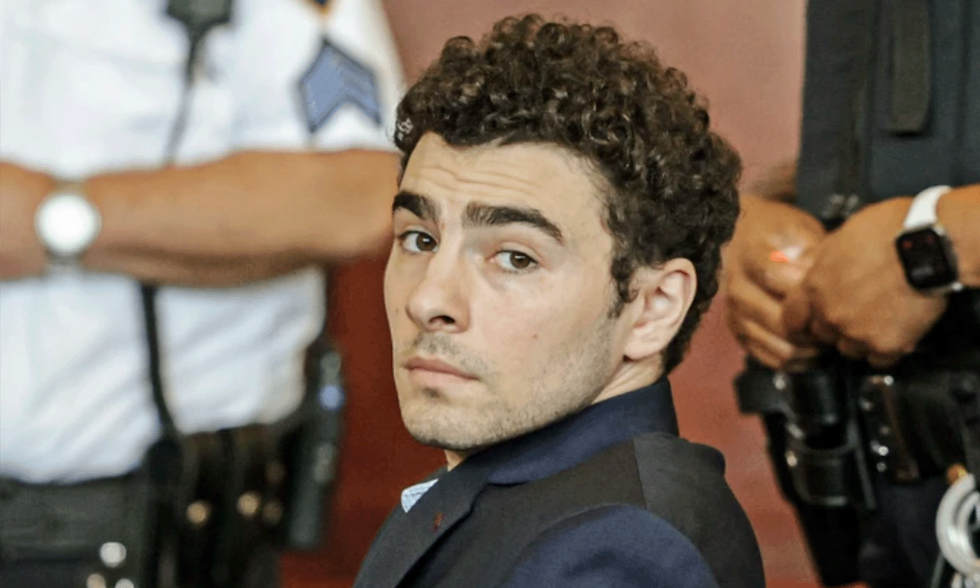
In June 2026, defense attorneys informed the court that they intended to pursue an "extreme emotional disturbance" defense under New York law. This is not the same as an insanity defense. Rather than arguing that a defendant was incapable of understanding his actions, an extreme emotional disturbance defense seeks to convince jurors that the defendant was experiencing severe psychological stress that substantially impaired judgment. If successful, the defense can reduce a murder conviction to manslaughter, resulting in a significantly lower sentence.
However, the defense strategy soon became less clear. Within days of announcing the psychiatric approach, Mangione's legal team appeared to retreat from that position, withdrawing notices associated with the proposed defense. Observers have suggested the withdrawal may have been intended to protect psychiatric records from disclosure or to preserve flexibility before trial. Despite the reversal, legal analysts note that mental-health-related evidence could still play a role during the proceedings.
As a result, the current defense strategy remains somewhat uncertain. The defense may continue challenging the prosecution's evidence, disputing intent, contesting the admissibility of certain materials, or introducing evidence regarding Mangione's psychological condition. What is clear is that the defense is searching for ways to reduce the legal consequences of what prosecutors characterize as a carefully planned assassination. Whether jurors ultimately accept any mental-state argument will likely become one of the central issues at trial.

With the state trial scheduled to begin in September and the federal case set to follow in 2027, the proceedings are expected to provide the first detailed public examination of the evidence, the alleged motive, and the defense's explanation for one of the most consequential criminal cases in recent memory.


Comments