

Texas Prisons Under Pressure as Overcrowding, Staffing Shortages Persist
- Brent Cassity

- May 15
- 2 min read
The Texas prison system continues to face mounting challenges as state officials grapple with severe staffing shortages, aging facilities, and concerns about inmate safety. Operated by the Texas Department of Criminal Justice, the nation's largest state prison system houses more than 120,000 inmates across dozens of correctional facilities, but critics say long-standing problems are straining operations.

By Brent Cassity
Reporting from Austin, Texas, USA
May 15, 2026 Updated 2:32 p.m. ET
One of the most pressing issues is the shortage of correctional officers. Many prisons remain understaffed, forcing existing employees to work mandatory overtime and extended shifts. Officials have struggled to recruit and retain workers, citing demanding conditions, security risks, and competition from higher-paying jobs in the private sector and local law enforcement agencies.

Overcrowding also remains a concern. While Texas has expanded alternatives to incarceration for some nonviolent offenders, many facilities continue to operate near capacity. Prison advocacy groups argue that overcrowding contributes to violence, limits access to educational and rehabilitation programs, and places additional stress on both inmates and staff.
Healthcare within Texas prisons has also drawn scrutiny. Inmates and advocacy organizations have raised concerns about access to medical treatment, mental health services, and the management of chronic illnesses. The state's aging prison population has further increased healthcare demands and associated costs.
Infrastructure presents another challenge. Many Texas prisons were built decades ago and require costly repairs and modernization. Maintenance issues, including outdated plumbing, inadequate cooling systems, and deteriorating buildings, have prompted calls for increased state investment.
State lawmakers have recently approved pay raises and recruitment incentives aimed at improving staffing levels. However, prison reform advocates argue that lasting improvements will require broader investments in rehabilitation programs, mental health treatment, facility upgrades, and measures designed to reduce recidivism.
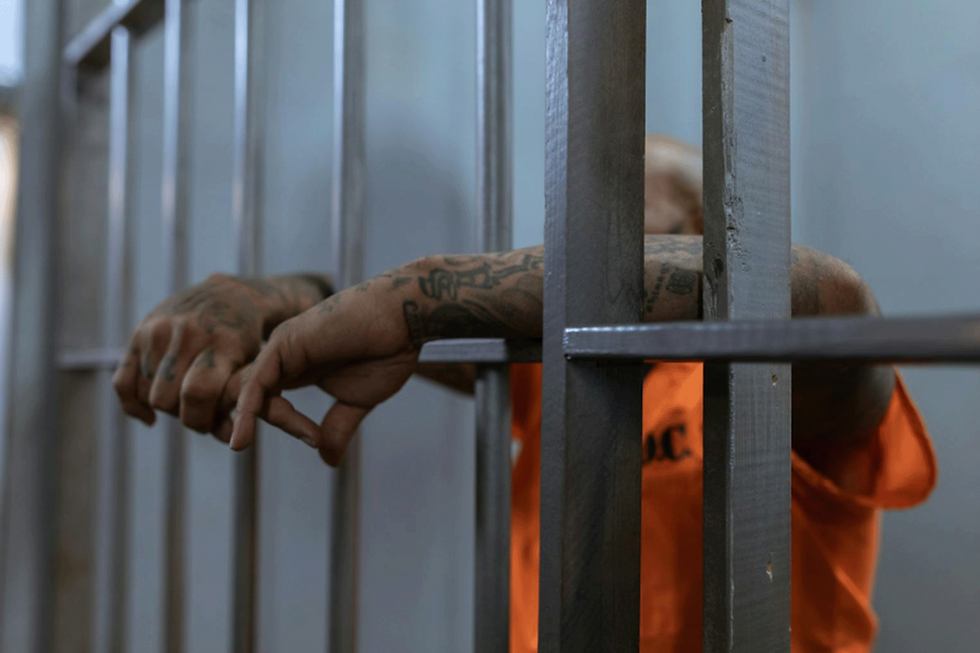
As Texas continues to balance public safety with correctional reform, officials face growing pressure to address the systemic issues affecting one of the largest prison systems in the United States.


Comments