

Paramount–Warner Bros. Discovery Merger Could Reshape Hollywood—If Regulators Allow It

Updated: Jun 12
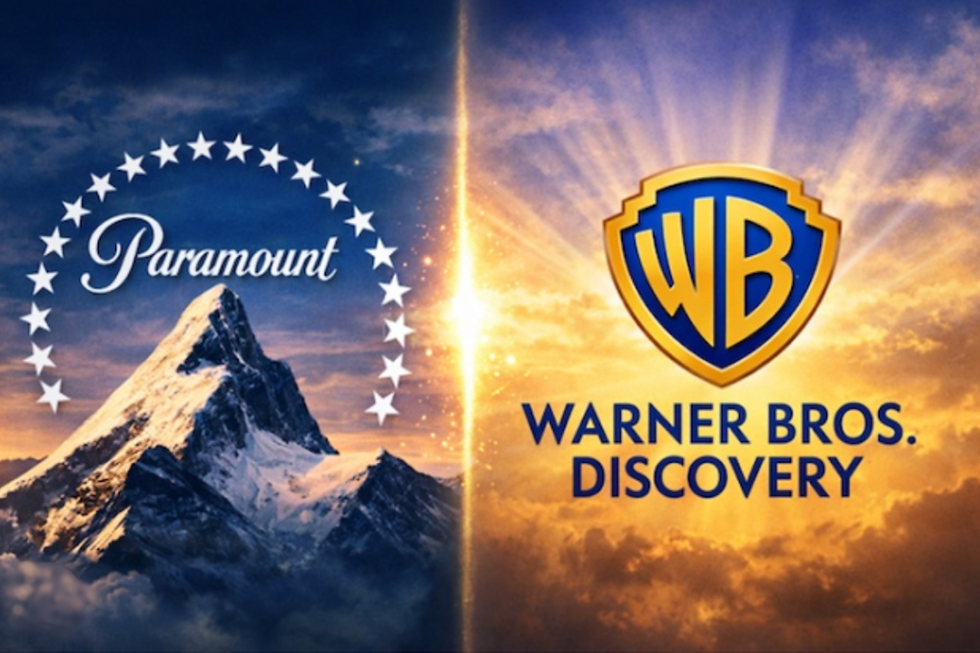
Hollywood may be on the verge of its largest media consolidation in years.
Paramount Skydance is seeking to complete its proposed $110 billion acquisition of Warner Bros. Discovery as early as July, according to multiple reports, although the companies continue to publicly target a third-quarter closing date while awaiting regulatory approval in the United States and Europe.
By Jim Keegan
Reporting from Austin, Texas, USA
May 19, 2026 Updated 5:54 a.m. ET
If approved, the deal would unite some of the entertainment industry's most recognizable brands under a single corporate umbrella, including CBS, Paramount Pictures, HBO, CNN, Warner Bros., DC Studios, Nickelodeon, Showtime, and the streaming platforms Paramount+ and Max. Together, the companies would control one of the largest film and television libraries in the world and serve more than 200 million streaming subscribers globally.
Supporters argue the merger is necessary to compete against streaming giants such as Netflix, Disney+, and Prime Video. Critics warn it could lead to layoffs, reduced competition, and increased concentration of media power.
Paramount Skydance Chief Executive Officer David Ellison has framed the acquisition as a once-in-a-generation opportunity.
Speaking during an investor presentation following the announcement, Ellison said the merger would allow the combined company to "help shape the future" and build a "next generation media and entertainment company" by combining the firms' studios, streaming platforms, networks, and intellectual property.
The companies project more than $6 billion in annual cost synergies within three years, primarily through consolidating technology systems, streaming infrastructure, and corporate operations.
Yet many industry observers remain skeptical.
"There is simply no precedent for a merger of this size occurring without significant workforce reductions," analysts told MarketWatch, noting that previous combinations such as Disney-Fox and the original Warner Bros.–Discovery merger resulted in thousands of job cuts.
The proposed company would also inherit a substantial debt load. Reuters reported that the merged entity could carry roughly $79 billion in net debt, prompting concerns among investors about borrowing costs and long-term profitability.
The theater industry has emerged as one of the loudest opponents of the transaction.
At CinemaCon in Las Vegas, Cinema United President and CEO Michael O'Leary warned that further studio consolidation could reduce competition and limit the number of films reaching theaters. Theater owners fear a single company controlling so many major franchises could gain outsized influence over release schedules and distribution practices.
Regulators are paying attention as well.
According to Reuters, members of Congress recently questioned Paramount executives about the merger's implications for media ownership and editorial independence. In a letter to company leadership, lawmakers argued that combining the two companies would "dangerously concentrate media power into a single conglomerate."
Meanwhile, California Attorney General Rob Bonta is reportedly reviewing potential antitrust concerns involving competition, consumer choice, employment, and media diversity. European and British regulators are conducting separate reviews.
Despite the controversy, Warner Bros. Discovery shareholders overwhelmingly approved the transaction in April, clearing one of the final major hurdles before regulatory review.
Whether regulators ultimately approve the merger remains uncertain. But one thing is clear: if the deal closes, it will fundamentally alter the balance of power in Hollywood, creating a media giant with unmatched scale, an enormous content library, and the resources to compete directly with the world's largest streaming platforms.
For an entertainment industry already transformed by streaming, artificial intelligence, and changing viewing habits, the Paramount–Warner merger may prove to be the defining business story of 2026.


Comments