

China’s Economy Slows Sharply as Consumer Spending Collapses
- David Johnston

- May 18
- 2 min read
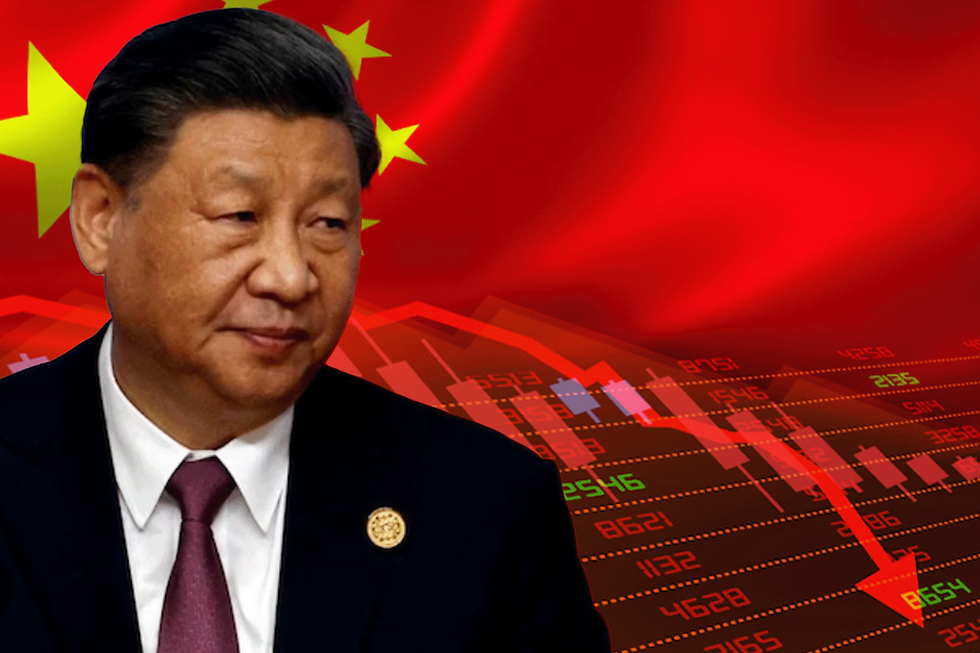
China’s economy showed clear signs of slowing in April as consumer spending, factory production, and investment growth all weakened amid growing fallout from the Iran war and continued problems in the country’s property market.
By David Johnston
Reporting from Austin, Texas, USA
May 18, 2026 Updated 5:01 a.m. ET
Retail sales rose just 0.2% compared to a year earlier, far below economists’ expectations of 2% growth and the weakest pace since late 2022. Industrial production also slowed sharply, increasing 4.1% year-over-year after growing 5.7% in March. Meanwhile, fixed asset investment — including spending on infrastructure, manufacturing, and real estate — fell 1.6% during the first four months of the year.
The country’s struggling property sector remains one of the biggest drags on the economy. Real estate investment plunged 13.7% this year through April, worsening from earlier declines.
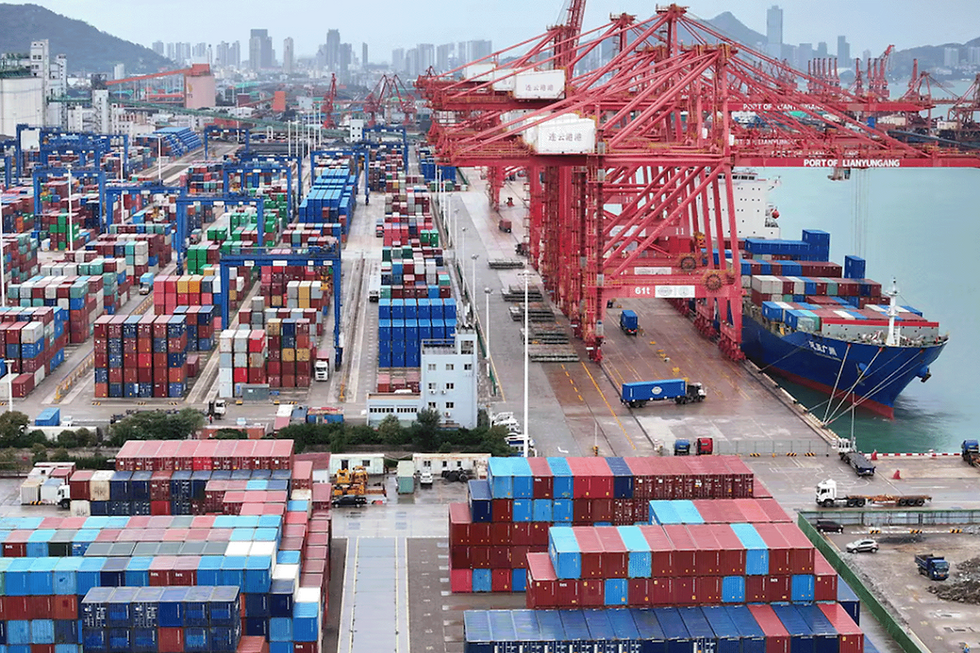
Analysts warn that continued drops in home prices could further damage household wealth and worsen job losses tied to construction and related industries. Despite weak domestic demand, exports provided some support for the economy. Chinese exports surged 14.1% in April as foreign buyers rushed to secure goods amid fears that the Middle East conflict could drive up global costs and disrupt supply chains. However, economists say strong exports alone are not enough to offset weakening consumer confidence and slowing investment at home.
At the same time, the United States and China appear to be easing trade tensions. Following a recent meeting between President Donald Trump and Chinese President Xi Jinping, Beijing reportedly agreed to purchase at least $17 billion in American agricultural products over the next several years, along with an initial order of 200 Boeing aircraft. The two nations also agreed to create new trade and investment boards aimed at improving market access and reducing tariff-related tensions.
Economists say Washington may be stepping back from earlier demands for sweeping structural reforms to China’s economy, instead focusing on stabilizing relations and avoiding a costly economic confrontation between the world’s two largest economies.
The Iran war has also added pressure through rising energy prices and supply chain disruptions. China’s oil refining activity declined for a second consecutive month in April, while higher commodity costs pushed producer prices sharply higher. Analysts believe many Chinese companies are absorbing those increased costs rather than passing them fully on to consumers.
Chinese officials continue to emphasize boosting domestic consumption as a key priority, though stimulus efforts so far have produced only limited results. Spending on tourism, entertainment, sports, and cultural activities has remained relatively strong, offering one of the few bright spots in an otherwise slowing economy.


Comments